The Essential Role and Services of a Property Restoration Group
When unexpected disasters strike a home or commercial building, the impact can be devastating. Whether it is a sudden pipe burst in the dead of winter, a kitchen fire that leaves behind thick soot, or severe storm flooding, property owners face immediate distress, structural instability, and daunting recovery logistics. During these critical moments, navigating the path forward requires more than standard contractor repairs—it demands the specialized expertise, rapid mobilization, and technical precision of a professional Property Restoration Group.
Unlike typical general contractors who focus on cosmetic improvements or new construction, a property restoration group specializes in emergency mitigation, structural stabilization, environmental remediation, and comprehensive property recovery. This article explores the vital functions of a property restoration group, the core services they provide, and why partnering with certified professionals is the safest path to pre-loss conditions.
1. Understanding Mitigation Versus Restoration
To fully appreciate the scope of a property restoration group, it is important to understand the distinction between two core phases of recovery: mitigation and restoration.
Mitigation (Emergency Response): Mitigation refers to the immediate actions taken right after a disaster to prevent damage from spreading further. Examples include extracting standing water, boarding up shattered windows, tarping a damaged roof, or shutting off active gas and water lines. Time is of the essence during mitigation; every hour delayed can increase the risk of structural rot, mold growth, and escalating repair costs.
Restoration (Rebuilding and Recovery): Once the environment is stabilized, the restoration phase begins. Restoration is the comprehensive process of cleaning, repairing, sanitizing, and reconstructing the property. This brings the building back to its original pre-loss condition—or better—ensuring it is completely safe and habitable.
2. Core Services Offered by a Property Restoration Group
A full-service property restoration group is equipped to handle a wide array of disaster scenarios. Their multidisciplinary approach ensures that property owners do not need to coordinate multiple disjointed contractors. Key services typically include:
A. Water Damage Restoration and Flood Mitigation
Water damage is one of the most frequent reasons property owners call for help. Whether caused by a malfunctioning appliance, a sewage backup, or torrential rain, water infiltrates building materials rapidly.
Extraction and Drying: Using industrial-grade submersibles, high-powered vacuums, commercial air movers, and heavy-duty dehumidifiers, restoration teams extract standing moisture and dry out saturated cavities.
Monitoring and Documentation: Technicians track atmospheric humidity and material moisture levels daily, logging data to prove that the structure has dried entirely to industry standards, preventing hidden mold growth.
B. Fire, Smoke, and Soot Remediation
A fire event impacts a property long after the flames are extinguished. Smoke and soot residues are acidic and corrosive, causing ongoing damage to walls, electronics, and structural framing if not treated quickly.
Deodorization: Specialized thermal fogging, hydroxyl generators, and ozone treatments neutralize microscopic smoke odors trapped in porous materials.
Soot Removal: Technicians use specialized chemical sponges and surface-safe solvents to clean soot from delicate finishes without worsening the staining.
C. Mold Remediation and Environmental Safety
Excess moisture inevitably invites mold colonization within 24 to 48 hours. Mold not only compromises building materials but also poses severe health hazards to occupants.
Containment: Crews set up physical barriers and negative air pressure chambers to prevent mold spores from migrating to unaffected zones of the building.
Safe Removal: Affected porous materials are safely disposed of, while semi-porous and non-porous surfaces are treated with antimicrobial solutions and HEPA-vacuumed.
D. Storm and Wind Damage Recovery
Severe weather can tear away roofing materials, shatter windows, and compromise exterior envelopes. A restoration group acts swiftly to secure the property, execute emergency roof tarping, clear fallen debris, and initiate structural rebuilding to protect the interior from subsequent weather systems.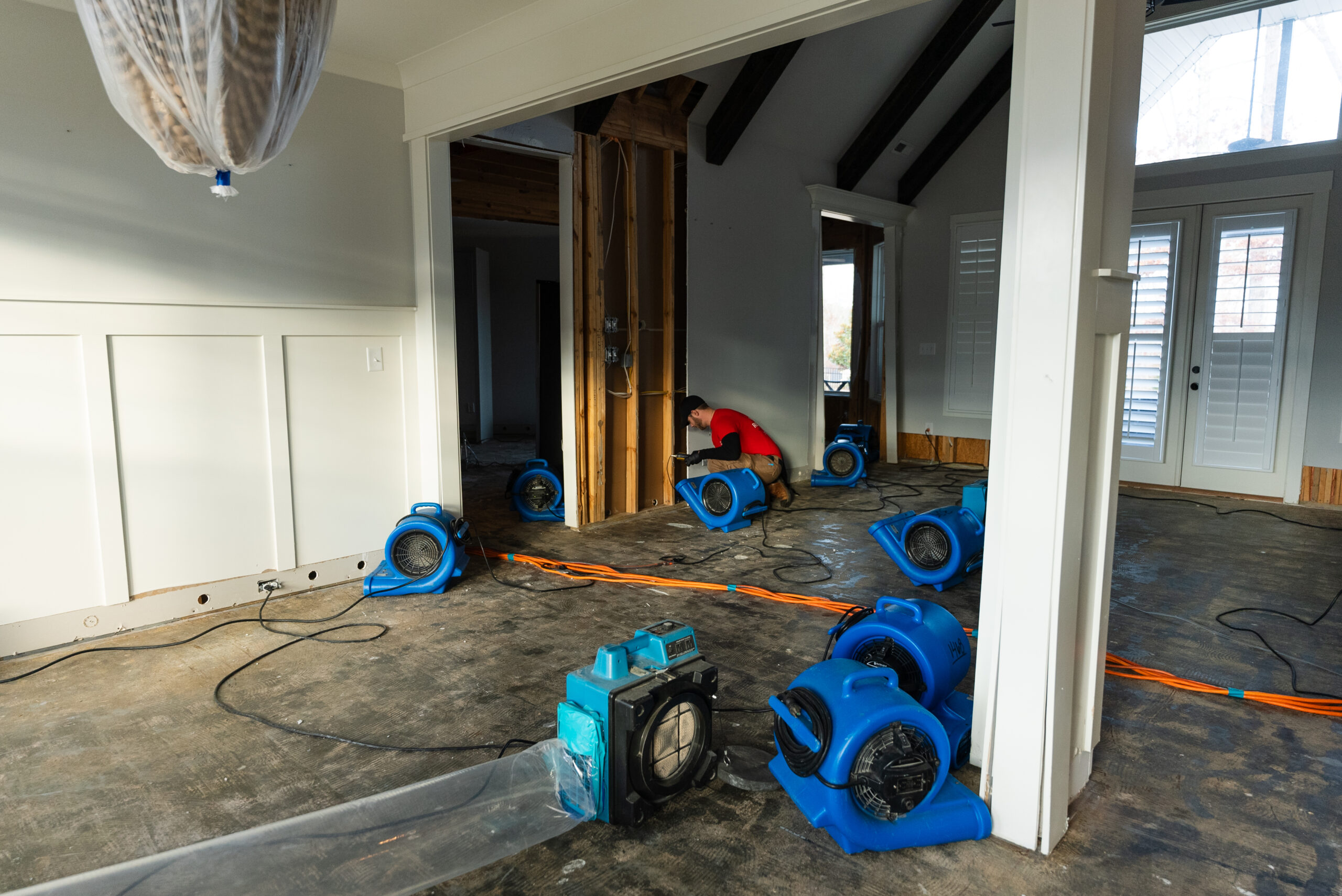
3. The Science and Technology Behind Professional Recovery
Modern property restoration is a science rooted in building biology, psychrometry (the study of air-water vapor mixtures), and structural engineering. When a restoration group arrives on-site, they utilize advanced diagnostic tools that go far beyond the naked eye:
Thermal Imaging Cameras: Infrared cameras detect hidden moisture pockets behind walls, under flooring, and inside ceiling cavities without requiring destructive exploratory demolition.
Moisture Meters: Pin and pinless meters measure the precise water content of wood, drywall, and concrete to ensure structural drying is absolute.
HEPA Air Scrubbers: These portable filtration systems capture airborne dust, soot particles, and mold spores, maintaining high indoor air quality during heavy cleanup phases.
4. Streamlining the Insurance Claims Process
Dealing with property damage is stressful enough without the added burden of managing complex insurance claims. A professional property restoration group acts as a vital bridge between the property owner and the insurance adjuster.
Reputable groups provide comprehensive, objective documentation—including detailed scope-of-work estimates, photographic logs, moisture tracking charts, and line-item repair invoices. By using industry-standard estimating software (such as Xactimate) accepted by major insurance carriers, they help streamline communication, validate claim requirements, and prevent disputes over necessary versus unnecessary repairs.
5. Why Immediate Action Matters
When a disaster occurs, hesitation is costly. Quick intervention by a professional response team can mean the difference between a minor localized repair and a major, expensive structural rebuild. For instance, drying out a subfloor within the first 48 hours can save it from warping and rotting, while early soot cleanup prevents permanent etching on glass, metal, and stone surfaces.
Furthermore, professional restoration groups operate on a 24/7/365 emergency schedule. Because disasters do not adhere to business hours, having a reliable team ready to mobilize within hours ensures that secondary damage is cut short and peace of mind is restored as quickly as possible.
Conclusion
Property ownership comes with its share of unpredictable challenges, from severe weather events to unexpected infrastructure failures. When disaster strikes, partnering with an experienced Property Restoration Group provides a clear, structured roadmap from chaos to complete recovery. By combining cutting-edge drying technology, rigorous environmental safety protocols, expert structural reconstruction, and insurance navigation support, these professionals safeguard your investment and return your property to a safe, comfortable, and welcoming environment.


Comments
Post a Comment