The Essential Guide to Summit Mitigation Restoration
Property disasters—ranging from unexpected indoor flooding and plumbing failures to devastating fires and structural storm damage—can strike at a moment's notice. When chaos hits a home or commercial building, the window of action is narrow. In these critical moments, property owners require swift, professional, and reliable intervention to prevent secondary damage and escalating repair costs.
Organizations specializing in emergency response, such as Summit Mitigation Restoration, serve as a vital lifeline during property crises. Understanding what professional mitigation and restoration entails can help home and business owners navigate emergencies with confidence, minimize downtime, and restore structural integrity.
Understanding Mitigation vs. Restoration
Many property owners use the terms "mitigation" and "restoration" interchangeably, but in the emergency services industry, they represent two distinct phases of recovery. Recognizing the difference is key to understanding how professional response teams operate.
1. The Mitigation Phase (Stopping the Bleeding)
Mitigation is all about immediate action and stabilization. When a pipe bursts or a kitchen fire breaks out, the primary objective is to stop the damage from getting worse.
Water Mitigation: Involves rapid water extraction, deploying industrial-grade structural drying equipment, moisture mapping, and applying antimicrobials to prevent mold growth.
Fire Mitigation: Includes emergency board-ups, roof tarping, smoke and soot containment, and corrosion control to protect salvageable items.
Mold and Biohazard Mitigation: Focuses on isolating affected zones, safely removing contaminated elements, and cleaning the air to safeguard occupant health.
2. The Restoration Phase (Rebuilding and Renewing)
Once the environment is stabilized, the restoration phase begins. This involves repairing, rebuilding, and remodeling the property back to its pre-loss condition—or better. Restoration can range from hanging new drywall, replacing flooring, and painting walls to executing full-scale structural reconstruction. Utilizing a full-service provider that handles both mitigation and reconstruction ensures a seamless transition without the hassle of hiring multiple independent contractors.
Core Services Offered by Professional Teams
Top-tier mitigation and restoration companies deliver a comprehensive suite of emergency and repair services tailored to residential and commercial properties.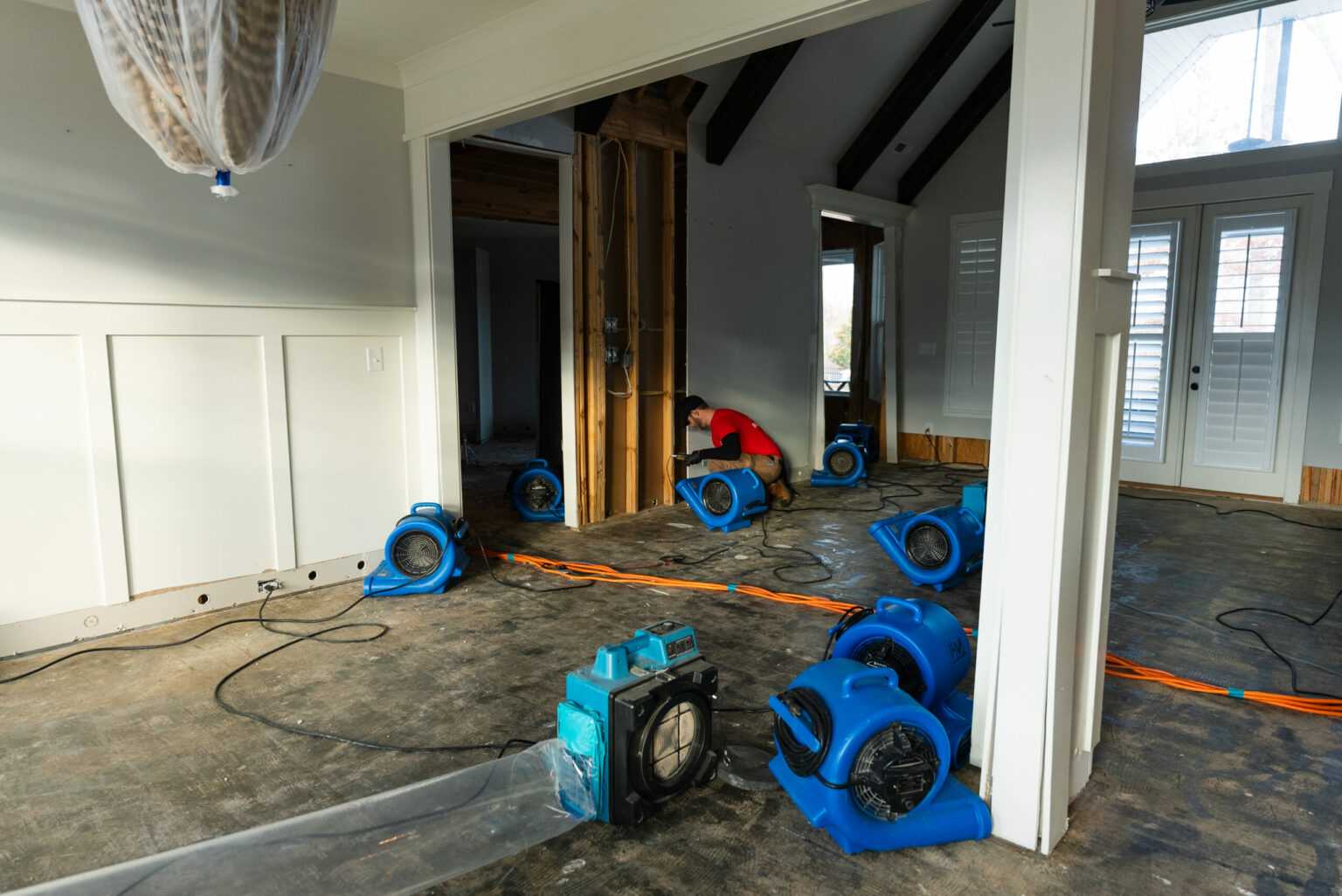
Water Damage Cleanup and Structural Drying
Water is remarkably destructive. If left sitting for even 24 to 48 hours, it warps wood, ruins carpets, and breeds toxic mold. Professional water damage teams use thermal imaging cameras to track hidden moisture behind walls and beneath flooring. High-powered extractors, air movers, and dehumidifiers are then deployed to dry the structure from the inside out.
Fire and Smoke Damage Remediation
Fire damage extends far beyond charred wood. Soot is acidic and can permanently discolor or corrode surfaces if not cleaned quickly. Furthermore, lingering smoke odors permeate porous building materials and HVAC systems. Professional restoration technicians utilize specialized chemical sponges, thermal fogging, and ozone treatments to thoroughly neutralize odors at a molecular level.
Mold Remediation
Excess moisture inevitably leads to mold growth, which poses serious health risks, particularly for individuals with respiratory issues or allergies. Certified mold remediation experts locate the source of the moisture, establish strict containment zones to prevent spore dispersion, and use HEPA-filtration systems alongside antimicrobial treatments to safely eradicate the infestation.
What to Look for in a Restoration Partner
When property disasters occur, stress levels run high, making it tempting to hire the first contractor you find. However, choosing the right provider can make the difference between a smooth recovery and an ongoing nightmare. Key factors to evaluate include:
24/7 Availability: Disasters rarely happen during standard business hours. A reliable emergency service provider must offer around-the-clock availability with a rapid dispatch protocol.
Certified Technicians: Ensure the team holds industry certifications, such as those from the IICRC (Institute of Inspection Cleaning and Restoration Certification). Certifications guarantee that technicians follow strict regulatory standards and modern industry practices.
Insurance Assistance: Navigating property insurance claims can be complex and tedious. Experienced restoration providers work directly with insurance carriers, documenting damages, supplying moisture logs, and streamlining the billing process to ease the burden on the property owner.
Comprehensive Capabilities: Opting for a company equipped for both initial emergency mitigation and final structural reconstruction ensures continuity, accountability, and faster turnaround times.
Immediate Steps to Take While Waiting for Help
If you are currently experiencing a property emergency, your safety comes first. While waiting for a professional mitigation team to arrive on-site, take these protective steps:
Ensure Personal Safety: If there is a major structural collapse risk, a gas leak, or severe electrical hazard, evacuate the property immediately.
Shut Off Utilities: If safe to do so, turn off the main water valve in the event of a major plumbing leak, or shut off the electricity if water is pooling near electrical appliances.
Document the Damage: Take clear photographs and videos of all affected rooms, items, and structural components. This documentation will be invaluable when filing your insurance claim.
Remove Valuables: Move electronics, important documents, and irreplaceable personal items to a dry, safe location if you can access them without risk.
Avoid Common Mistakes: Do not use standard household vacuums to clean up standing water (risk of electric shock), and avoid walking heavily on wet carpets to prevent pushing moisture deeper into the subfloor.
Conclusion
Property disasters are deeply disruptive, but a swift and response can drastically minimize financial loss and emotional stress. Companies specializing in emergency mitigation and structural restoration act as trusted guides through the chaos, bringing the right tools, technical expertise, and manpower to turn crisis back into comfort. By understanding the recovery process and partnering with certified experts, home and business owners can safeguard their investments and secure a prompt return to normalcy.

Comments
Post a Comment